

Are you wondering about backpacking for beginners? Have you considered hitting the trails but need more understanding?

Image Source: flickr
Backpacking gives adventurers of all levels an incredible feeling of freedom. They have their set of entire belongings on their backs while seeing new and beautiful sites every day. On popular trails you may meet a variety of different and interesting people, though they all share the enjoyment of backpacking.
If you’re thinking about backpacking, we hope to provide you with everything you need to know to take the trails.
Backpacking For Beginners: What Is Backpacking?
Backpacking is an outdoor journey ranging from deep wilderness to national parks. It requires self-sufficiency because you must account for and carry everything you need to be safe and have fun. It can be rigorous and requires great thought and planning, but if you are up for the challenge, it is a rewarding and healthy endeavor.
Backpacking is not a simple hike with friends. It is not a picnic in a scenic area. Backpacking is a multiple-day adventure where you sleep, eat, and survive based on the contents of your backpack.
Backpacking is also not camping. Campers have the privilege of piling an array of items into the back of a minivan and driving to a campsite. Backpacking is more intense and self-sufficient. Some people go camping and then hike from their campground. This is a great activity, but it is not backpacking.
A Backpacking Loop
Beginning with only the contents on their backs, backpackers essentially travel a loop. Based on a predetermined course, backpackers aim to travel a certain number of miles per day until completing the loop and returning to the original starting point.
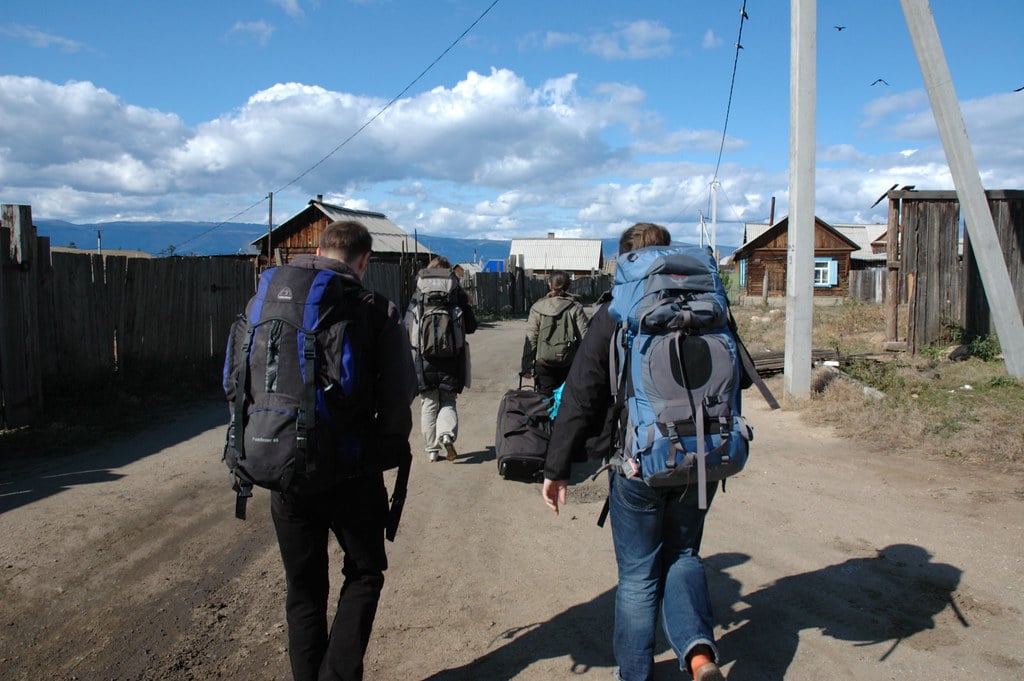
Image Source: flickr
Such a venture can vary from overnight trips to multiple weeks away, depending on your experience and adventurous nature. In that time you have to be sure you everything you need to survive in the wilderness, that it fits in your backpack, and that your backpack is light enough to be carried for the duration of your trip.
Why Is Backpacking So Great?
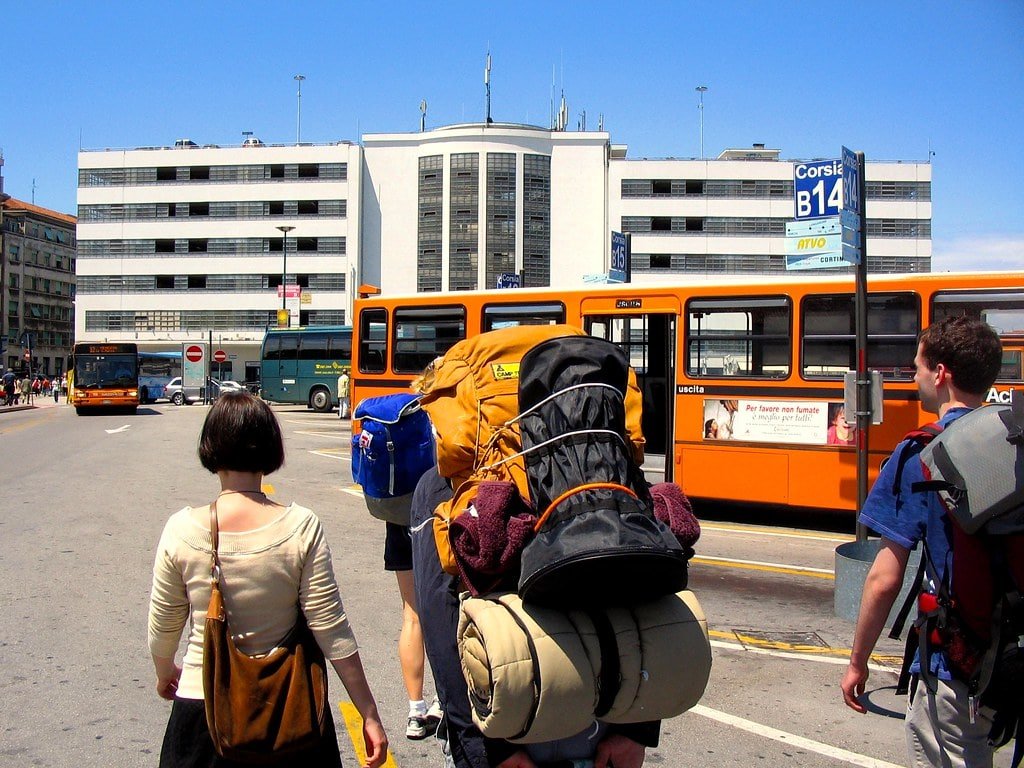
Image Source: flickr
For starters, backpacking is a great way to keep your body healthy. It builds endurance and stamina while burning calories. Different terrains and elevations can be quite challenging. Think about carrying a backpack up a steep hill for a mile or more.
Backpacking can also improve mental health. There is something very therapeutic about enjoying the marvels of nature in an arena where the distractions of the busy world are removed. A backpacking trip can leave you with a feeling of joy.
Improved self-esteem is another benefit of backpacking. The rush of conquering your first loop and the overall sense of accomplishment is a great moral booster. Despite the challenge of the adventure, studies also demonstrate that backpacking is a stress-reducer.
Many of us do not have time to spend four or five days backpacking, but a simple overnight trip can still provide an array of cathartic benefits.
When Should I Go Backpacking?
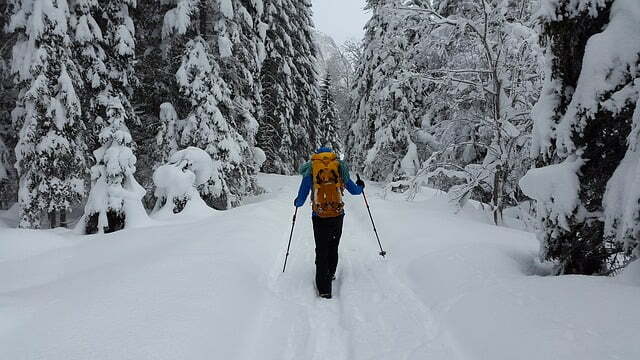
Image Source: Pixabay
The peak season for summer adventure, usually May through September, is a common and good time to go backpacking. There are advantages to backpacking in the “offseason” too.
The very early spring or late fall is are good times to avoid a lot of hikers on common trails and depending on whether your backpacking location requires a fee, it can also be cheaper in the offseason.
If you want to venture on a more tourist-friendly area, think about whether particular sights or attractions will be open in the offseason. Most outdoor sights remain open, and the smaller crowds can be a benefit.
Other interesting benefits to offseason backpacking include cooler weather and less sweating. We are considering backpacking for beginners, but as you become a more advanced backpacker, some like to travel to distant locations to enjoy a backpacking adventure. In that case, travel and hotels may be cheaper as well.
On the downside of offseason backpacking, you may need to pack more clothes to deal with a wider variety of weather. The common backpacking months of May to September can be more crowded and more demanding in midsummer heat, but they also offer the chance to interact with more backpackers.
Advanced backpackers can enjoy cheaper transportation to distant locations while backpacking for beginners in mid-summer offers sunbathing and swimming as possible recreational options on your summer adventure.
How Do I Pick My Backpacking Location?

Image Source: flickr
If you are convinced you want to make a lifelong commitment to backpacking, consider your early trips as the foundation to longer and more adventurous outings.
For many, a long-term goal is to backpack overseas. This can serve as an adventurous and comparatively cheap vacation. Overseas backpacking adds an entirely new level to your investment, safety, and planning.
While the preparations are beyond simple backpacking for beginners, there are a few locations to keep in mind that are backpacker friendly and favorite destinations for many serious backpackers.
Nepal
As the home of Mt. Everest, Nepal is a favorite overseas destination for backpackers. Nepal also features the Garden of Dreams. Bordering Tibet and India, it is also a short trip to the Durga Temple, clock tower, and Shankar Acharya Gate. You can also easily reach Buddah’s birthplace.
Thailand
For those who enjoy tropical backpacking, Thailand is a favorite. You can experience real Thai food from street vendors and experience Bangkok. Check out the Buddhist temples and unique architectural structures.
Costa Rica
Costa Rica is a bigger investment for backpackers, but it is still a favorite with its animal population, active volcanoes, hot springs, and beautiful beaches. You can still camp cheaply and save money at restaurants that are not touristy. A backpacking adventure through a Costa Rican rain forest is a definite bucket list item.
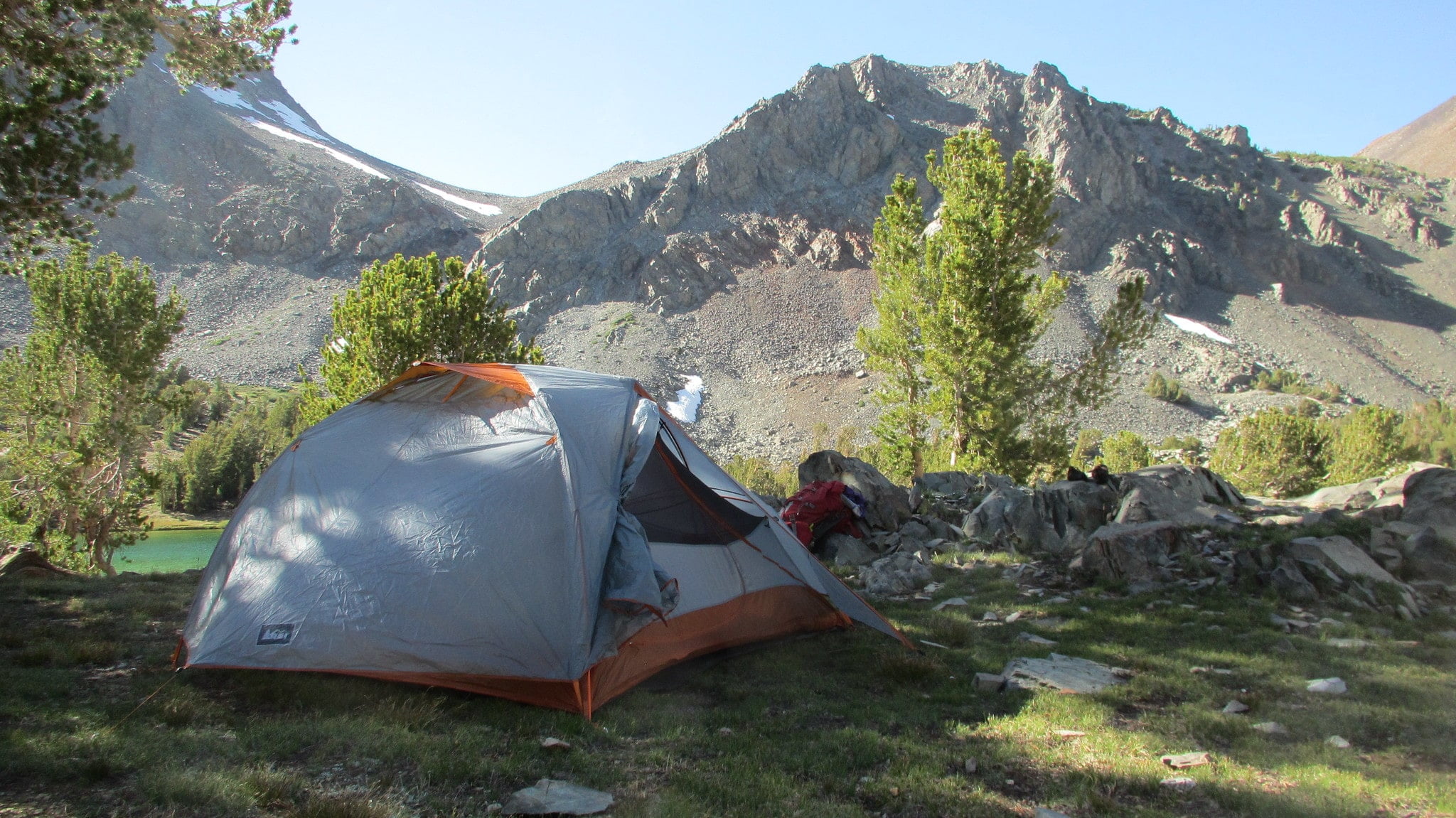
Image Source: flickr
From national forests to state wilderness areas, there are many good backpacking options for a variety of backpackers. Backpacking for beginners requires some research and planning to have the best experience.
Consider whether your interest in backpacking is based on the peaceful solitude of backpacking or the desire to have a challenging adventure. Do you want to be away from civilization, or would you like to meet other backpackers?
Remember, on your first few trips you will need to learn and stay safe.
1. Don’t Go Alone
We strongly recommend going on your first few trips with an experienced backpacker. It is always wise to use other knowledgeable people as resources. A veteran backpacker will have a lot of tips to offer based on experiences.
Going with a partner will also help you narrow your choice of location, because an experienced backpacker may already know some good choices, and of course, you will need to choose somewhere your friend is willing to go.
2. Begin With An Overnight Location
To get used to the planning and preparation involved, and to be sure you haven’t bitten off more than you can chew, it is wise to begin with an overnight location first.
This will narrow your choice of location to nearby options that are worth traveling to for a two-day, one-night adventure. You will also need to identify a loop that can be traveled in two days.
In backpacking for beginners, it is easy to overestimate how far you can travel per day. New backpackers are not used to carrying 30 pounds on their backs. You may get winded or generally exhausted more quickly than you anticipated.
A good distance for first-time backpackers is around eight miles. This will require four miles of travel per day on an overnight trip. You will need to choose a location with an attainable loop or route for this distance.
In the meantime, you will be able to get used to your gear, setting up and taking down your tent or tarp, cooking on your portable stove, and other good learning experiences.
3. Choose For Convenience
Until you have done a few backpacking trips and are sure you will want to continue backpacking as a pastime, keep it simple and convenient. Some backpackers will pick a very long route and try to travel their entire duration.
While this is a viable option for some backpackers, it requires a separate drop-off and pickup point. That means you will need to arrange cars for pickup and have more people spending their own time helping you on your first backpacking expedition.
We strongly encourage a loop hike or an out-and-back. An out-and-back route would include traveling four miles in one direction and then turning around to travel the same route in the opposite direction.
While there is nothing wrong with out-and-back routes, the scenery can be redundant on your return trip. While backpacking for beginners, it would probably be better to do a simple out-and-back trip than to attempt a trip with separate drop-off and pickup points.
What Do I Wear Backpacking?
While backpacking for beginners, having the right clothes on a backpacking adventure can make or break your experience. Before considering specific garments, think about the materials you will pack.
Materials
Wool can a good material if you are worried about cold nights or if you are backpacking in the offseason. While some immediately think of itching with wool, newer ultra-fin merino wool does not irritate or itch.
Nylon and polyester are good for clothing you need to dry quickly. They have a level of water repellence, but they can also begin to suffer from odors more quickly than other materials.
Silk also repels moisture from your skin, but not as quickly as some synthetics. Silk is soft and does not add extra bulk. Cotton is the least popular material among veteran backpackers. It does not wick moisture from your body, and it takes a long time to dry.
For that reason you should avoid cotton undergarments; who wants wet socks and underwear?
Underwear
Aside from material, the underwear you choose is a matter of preference. A lot of males like boxers to prevent chaffing, but whatever you pick they should be breathable. Avoid extra tight undies, especially those made of cotton.
Many women backpackers prefer wool underwear in a boy-cut style, and others like nylon-spandex types.
As for bras, pullover sports bras are often recommended. Most backpackers prefer bras with no clasps. On a longer trip you may need to wash out your bra before the trip is over, so be prepared with an extra bra or a light camisole to wear while drying.
Long underwear can be an important option for those backpacking in cooler weather. They have can serve multiple purposes, including an extra layer of warmth under your outer clothes on a cool day, comfortable clothes for lounging at your camp, or pajamas.
Shirts
A t-shirt is a must for backpackers. In open terrain while summer backpacking, a t-shirt may be your primary garment. It is good have one t-shirt for hiking and another for sleeping. Avoid cotton tees.
Long-sleeve t-shirts can be useful when the weather is warm, but you still need your arms covered due to your location. It can also serve as a sun blocker on days when UV levels are high. It can also protect your arms from insect bites.
Sweatshirts can be useful during cooler seasons for camping and sleeping. If it is cool enough, you may even use a fleece top for hiking. It has many of the same advantages of a long-sleeve tee, but it is warmer.
Pants
There will be certain environments and temperatures for hiking in shorts. Often, despite the weather, you will need long pants to protect your legs in the woods as well as from insects and sunburn.
While it seems a bit gimmicky, pants with zippers that convert between shorts and long pants are an ideal addition to your backpacking attire. These pants often have usable pockets.
Some women enjoy having yoga pants in their backpacks. They can be comfortable for lounging at the campsite and still easy to wear while hiking. They are not as durable as a pair of nylon pants, so hiking in areas with a lot of brush and low-lying branches is not always wise.
Rain Clothes
You never know when rain is going to invade your adventure, so you will be thankful to have some rainproof outerwear. You should have something waterproof and breathable to continue your hike in the downpour.
This style of rain clothing can also be a life saver on days with unexpected cold winds.
Jackets
Not only will rain jackets come in handy, some cold-weather backpacking outings will require a jacket or vest. If there is any chance of a cold front, be sure you have a down vest or jacket.
For more extreme, winter backpacking, plan appropriately. Winter backpacking is not usually a great choice for beginner backpackers.
days with unexpected cold winds.
Footwear
The idea of hiking boots is a sort of universal assumption for any serious hiker. However bulky boots are not as common as they use to be. Hiking shoes often serve the same purpose while being lighter and more versatile. They can also be easier on your feet.
Whether you buy traditional boots or more modern shoes, make sure they are comfortable, offer plenty of support, and have a high-traction sole.
Accessories
Always be sure to have at least two pairs of socks. They should be wool or synthetic with adequate cushioning. Hiking in wet socks can lead to blisters and ruin your backpacking experience.
Consider taking your socks off to dry in the sun when you stop for lunch and when you make camp for the evening. It can be good to have a dedicated pair of sleeping socks too. You may want to bring gloves that can be useful in the cold or in the sunshine. Summer gloves can helpful on days with very high UV levels, and on cool evenings they can be helpful for warmth.
You probably will not waste room on separate pajamas, but be sure you know what you will sleep in. As mentioned earlier, long underwear or yoga pants can be used for comfortable sleeping on the trails. If you have dedicated sleeping socks, keep them stored inside your sleeping bag so they do not get unwanted moisture.
Finally, choose your clothes by knowing the weather you will may be facing. Planning ahead is an important part of backpacking. If you are beginning with a one-night trip and the weather calls for a high of 88 degrees and an overnight low of 73, there will be some warmer clothes you can safely leave behind.
What Materials And Supplies Do I Need?
When packing for your trip, there are some essentials you will need to have.
Backpack
You are learning about backpacking for beginners, so of course, you will need a backpack. The variety of backpacks available is countless, so you need a few guidelines to help you narrow your selection.
For short trips, you probably want a backpack with a capacity between 3,000 to 4,500 cubic inches. It is easy to get carried away with mega-backpacks that quickly become overwhelming to carry.
Tent
Your tent will protect you from the elements and provide a place to sleep. You can buy a specific backpacking tent that is lightweight and usually sleeps two people.
Other people prefer to use a tarp. A tarp saves room over a tent and does not require the same sorts of tent poles.
Sleeping Bag
When you have served your first day of backpacking hiking, you will be glad you invested in a warm sleeping bag. This can be one of the more expensive investments you make, but a good sleeping bag can last many years and make your experience tenfold more enjoyable.
In backpacking for beginners, down-filled bags are often recommended. You should pick a streamlined bag so that it does not take up too much room in your backpack.
Some backpackers like to add a sleeping pad for more comfort. It can also insulate your body for warmth on the cold ground. But every perk, such as a sleeping pad, takes up valuable room in your backpack.
Stove
Many backpackers invest in a backpacking stove to heat their meals. Like other backpacking materials, stoves come in a variety of shapes and price ranges. The key is to find one that meets your needs and fits in your bag.
Some backpackers carry no stove at all and rely on ready-to-eat meals such as dehydrated foods. These do not burden you with dishes to wash. Other hikers like prepackaged sandwiches, nutrition bars, or trail mix.
Cookware
With or without a stove, you will likely need some cookware. Stoves will require a pot or pan and some sort of utensils. Depending on what you are cooking, you may need a plate or bowl.
Many backpackers still need their morning coffee, so you will need something to heat it and to drink it from. And of course, all backpackers need a water bottle.
During your planning, be sure you know where the water sources on your route will be found so you can drink and stockpile sufficiently at each one.
Headlamps
You may be thinking of a flashlight, but a backpacker really needs a headlamp. During your time backpacking for beginners, you probably do not plan on a lot of nighttime adventures.
If not, a simple headlamp should do the job for you. Be sure you choose one that will be bright enough for your needs and offers sufficient battery life for your trip.
First Aid Kit
You should always have a first-aid kit in your backpack. In fact, being sure you know some basic first aid is a great idea. In the meantime, be sure you have a kit with bandages, band aids, antiseptic, and basic medications, including Tylenol or a similar product.
Camera
Most people are going to want some images of the backpacking adventures for posterity. Some cameras are made specifically for hiking and outdoor sports, but other hikers are content to use a camera on their phones. Almost all phones today also offer video, so you can accumulate live and still footage as you dive into the world of backpacking for beginners.
Sunglasses
Do not forget your sunglasses. A pair of sunglasses can be invaluable on days when the sun’s glare is on your path. Other terrain blows a lot of dirt and other particles in high winds, and glasses are especially useful in those situations. Winter backpackers find them especially useful for snow glare.
Extras
Identifying helpful “extras” is a skill that will grow along with your experience, but here are a few others to think about:
- Lighters or matches
- Knife
- Toothbrush, rag, and toilet paper
- Sunscreen and lip chap
- Insect repellant
- Garbage bag
- Book or playing cards
- Whistle
Other Backpacking Considerations
Depending on the simplicity of your trail, you may want to be sure you have a map in your backpack that clearly identifies your loop and the areas surrounding it. If you are in an area with reception, have your call phone GPS available.
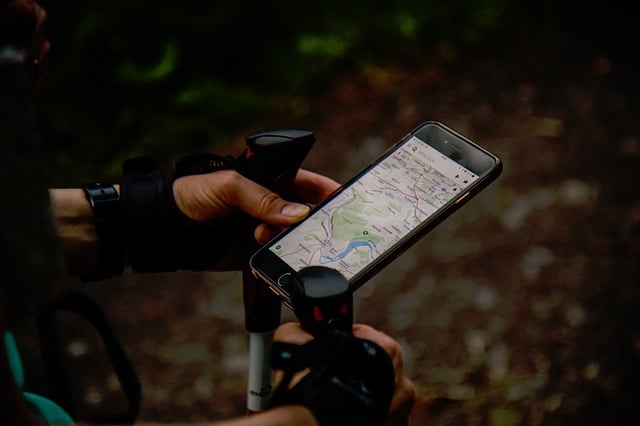
Image Source: Pixabay
Water Purification
If you are on a trip that is long enough, or if you are not on a trail with designated water sources, you may need to think about how you can purify water. Some backpackers invest in gravity filters, pumps, or chemicals to purify water for drinking.
How To Pack
Backpacking for beginners begins with packing your bag. If done wisely, backpacks can hold more than you ever realized. However, if not done with thought, you can waste valuable space and contents.
Many backpackers divide their packs into three layers in addition to extra pockets, eyelets, and straps.
Back Layer
Think about putting bulky items in the bottom of your bag. Give priority to items you will not need until you are ready to set up camp
The bottom layer should include your sleeping bag and sleeping clothes.
Middle Layer
Harder heavy items are good for the middle layer of your pack, such as a stove, cooking supplies, and food. Placing heavy items in the middle will give your backpack a good center of gravity.
Top Layer
The top layer should contain items that are still too big for your backpack’s pockets but might be needed during your hike. If you think you might need a heavier shirt or jacket before the day’s journey is over, they should be near the top.
The same is true of rain clothes. The top layer is also appropriate for your first aid kit and toiletries.
Pockets
Pockets on a backpack are good for storing small items that you may need throughout the day. Just be sure your pockets have sufficient closure to keep your items from falling out. You should also consider what pockets are or are not waterproof.
Fuel
You may have a stove or lantern that requires a separate container of liquid fuel. While these are not ideal for backpacking, be sure to pack your fuel safely. Confirm the cap is tightly in place and the fuel is nowhere near your food.
It can be helpful to wrap soft items around your fuel container to prevent it from moving around in your bag. Some backpackers wrap it in their tent or rain clothes.
Cooking Meals While Backpacking
Backpacking for beginners means ensuring you have meals to eat. Those using a backpacking stove most commonly boil-soak their food. This is usually accomplished by packing dry food with your stove.
You will need to be sure your stove is on level ground and sheltered from any significant wind. Add water in a camping pot and bring it to a boil. Stir the dried food in quickly and close the lid before too much heat escapes.

Image Source: pixabay
Other backpackers sometimes have an insulated container. Once the water boils, they pour the boiling water into the insulated container where it covers the dried food.
Turn the stove off but keep the lid on your pot. You may even want to use a jacket to cover and further insulate the pot. The dried food needs time to hydrate while the water says hot.
Let the food rest for 10 or 15 minutes with the lid still closed. Your supper should be ready to go!
No-Cook Options
If you don’t feel confident cooking a meal on the trail, you can choose no-cook options. It is always a good idea to have no-cook items available in case you have difficulty with your stove malfunctioning or your fuel running out.
Aside from prepackaged sandwiches, nutrition bars, and trail mix, there are dehydrated foods that can be prepared in cold water. You can prepare traditional oats in cold water in about 15 minutes.
Though it takes a little longer, you can also prepare instant noodles in cold water. Instant mashed potatoes, instant rice, and instant pudding are also great choices.
What To Do When Backpacking?
Much like choosing your backpacking location, choosing your most enjoyable activities while backpacking depends on the sort of trip you are seeking. Some backpackers like to curl up at their campsite with a book, and a few of them even pack hammocks. More adventurous backpackers sometimes bring very basic fishing supplies (line, hook, and split shot) to catch their supper.

Image Source: Pixabay
A deck of cards is a great small item to pack. You can play solitaire on your own or poker with your friends. Other backpackers will venture far and long to get the best pictures and video on their trip.
The best thing about backpacking is that you are totally in charge of your time and enjoyment. You should try a lot of things as you backpack more until you know your favorite ways to spend time while backpacking.
Safety First
Backpacking can be a great adventure and a healthy pursuit, but safety should always remain at the forefront. Do not just assume that food and water will always be available no matter what. Plan by always making sure your most basic needs are accounted for, then move on to other necessities.
Know Your Location
You should have substantial familiarity with your backpacking location and the surrounding areas. By studying maps, you should always have your bearings straight.
Keep a map of your area with you while backpacking. In a national or provincial park, maps are easy to come by and trails are well marked. You may even be able to get information on the area’s features.
Even if you have maps on your phone, do not forget your paper map. When cell phones die and GPSs lose their signal, a paper map will still serve your needs.
First Aid
You should always backpack with a first aid kit, but learning first aid can go much farther in keeping you and those around you safe.
First aid kids can help with cuts and headaches, but heat stroke or a broken bone should be addressed in a specific way until the backpacker can be taken to a hospital. In the meantime, trip killers such as blisters and chapped lips can be addressed with a quality first aid kit.
Don’t Lose Communication
If at all possible, you do not want to lose all contact with the world. A cell phone is good to keep with you, but two-way messaging products can be substantially more reliable. Using inReach technology, a satellite network allows you to send and receive preset messages from almost anywhere.
These devices require a monthly fee and may not be a wise investment in backpacking for beginners, but if you get to the point where you are backpacking in more distant or obscure locations, they can help ensure your personal safety.
The final aspect of maintaining communication is a simple matter of letting others know you are going backpacking. Individuals who live alone may not bother to tell others about a three-day backpacking trip, but if you run into serious difficulty and you are not home by day three or four, you will want somebody to know where you went.
Know The Weather
Weathermen never know for sure, and neither do we, but you should be sure you know the expected weather before backpacking. There is no reason to duel with Mother Nature if you don’t have to. Backpacking through electrical storms is not a safe or pleasant way to be introduced to backpacking for beginners.
Tips And Tricks
Backpacking for beginners involves learning what and how to pack. You need to end up with a backpack that has all your needs and is still light enough to carry. Since we strongly advise going on your first backpacking outing with an experienced backpacker, consider consolidating your packs.
You only need one stove. You can probably both fit into one tent. Communicate with your backpacking partner so you do not burden yourself with double supplies.
Drink Much
We already talked about knowing where your water sources are on your intended route. Be sure to take full advantage of them when you arrive. It is wise to drink as much as you are able to keep yourself hydrated and healthy.
Also, be sure to fill your water bottle to the brim at every stop. If something happens and miss a water source or did not find one where you thought you would, you will be glad you stocked up at the previous one.
Dental Floss
Dental floss is easy to fit into your pack, and it can serve as a stronger line than thread. If you are going to be roughing it long enough, you may need to repair or stitch and can use dental floss. If you buy the right brand, it is actually strong enough to tie items to your back and use in a pinch for anything that requires string.
Duct Tape
It is common to make fun of duct-tape as the fix-all for those not mechanically inclined, but there is a reason duct tape has that reputation. It can be used for any mid-hike repair.
Duct tape can also secure items to your pack or body in a pinch. Some backpackers even use it to prevent blisters. Backpacking for beginners should always involve a roll of duct tape.
Bandanas
Whether or not you are into the habit of wearing bandanas, consider making part of your backpacking for beginners tool kit. Aside from wearing it on your head, it can also serve as protection from the sun’s rays on the back of your neck.
Some backpackers have used it to filter their slow-drip coffee. Others use it to wash their dishes. As a dishtowel, it can be used to handle the hot utensils on your backpacking stove. Other times you just need to wipe the sweat off your face and put it back on your head.
Fire Starters
If you want a nice fire at your campsite, how will you start it? There are a few easy ways to travel with cheap fire starters that take up very little space. Consider cotton balls.
A bag of cotton balls is cheap, and they catch fire very quickly. Lint from your dryer will also blaze up wonderfully. In order to light the cotton or lint, keep a couple disposable cigarette lighters in your pack. Lighters are pretty small to begin with, and they even make micro versions.
Resources
Beginning with only the contents on their backs, backpackers essentially travel a loop. Based on a predetermined course, backpackers aim to travel a certain number of miles per day until completing the loop and returning to the original starting point.
Backpacking for beginners opens the door to a great new pastime that can provide a great way to stay fit and healthy while exploring nature and enjoying the peacefulness of your surroundings.
It is a great way to maintain and improve your mental health while escaping the stressors and distractions of life for a time. Celebrate your accomplishments as you learn to backpack longer and farther.
Learn more about backpacking for beginners from the following resources:
Backpacker Magazine (www.backpacker.com): Get the latest gear reviews, expert advice on cooking, repair, ultralight camping, videos, how-to slideshows, and more, all beamed right to your inbox every Tuesday.
Lightweight Backpacking and Camping by Alan Dixon, George Cole, and Ryan Jordan: This book offers insight into gear selection and techniques that can be used to reduce pack weight and decrease the margin of risk that occurs by taking less weight in the backcountry.
Lighten Up! A Complete Handbook for Light and Ultralight Backpacking by Don Ladigin: This is a short, to-the-point, and humorously illustrated by famed outdoor illustrator Mike Clelland. This book presents everything hikers and backpackers need to be safe, comfortable, and well fed while carrying a very small and lightweight pack.
Backpacks are our daily most needed things. When we go out, a bag is really essential for us. The backpacks discussed here are awesomely amazing and super. All of them are focused in detail with every step. How to use, where should be best usable and others ins and out too. If you decide to buy one, I think that would be a great decision.